Kitchen Trends for 2026 (Grounded in Real Design Work)
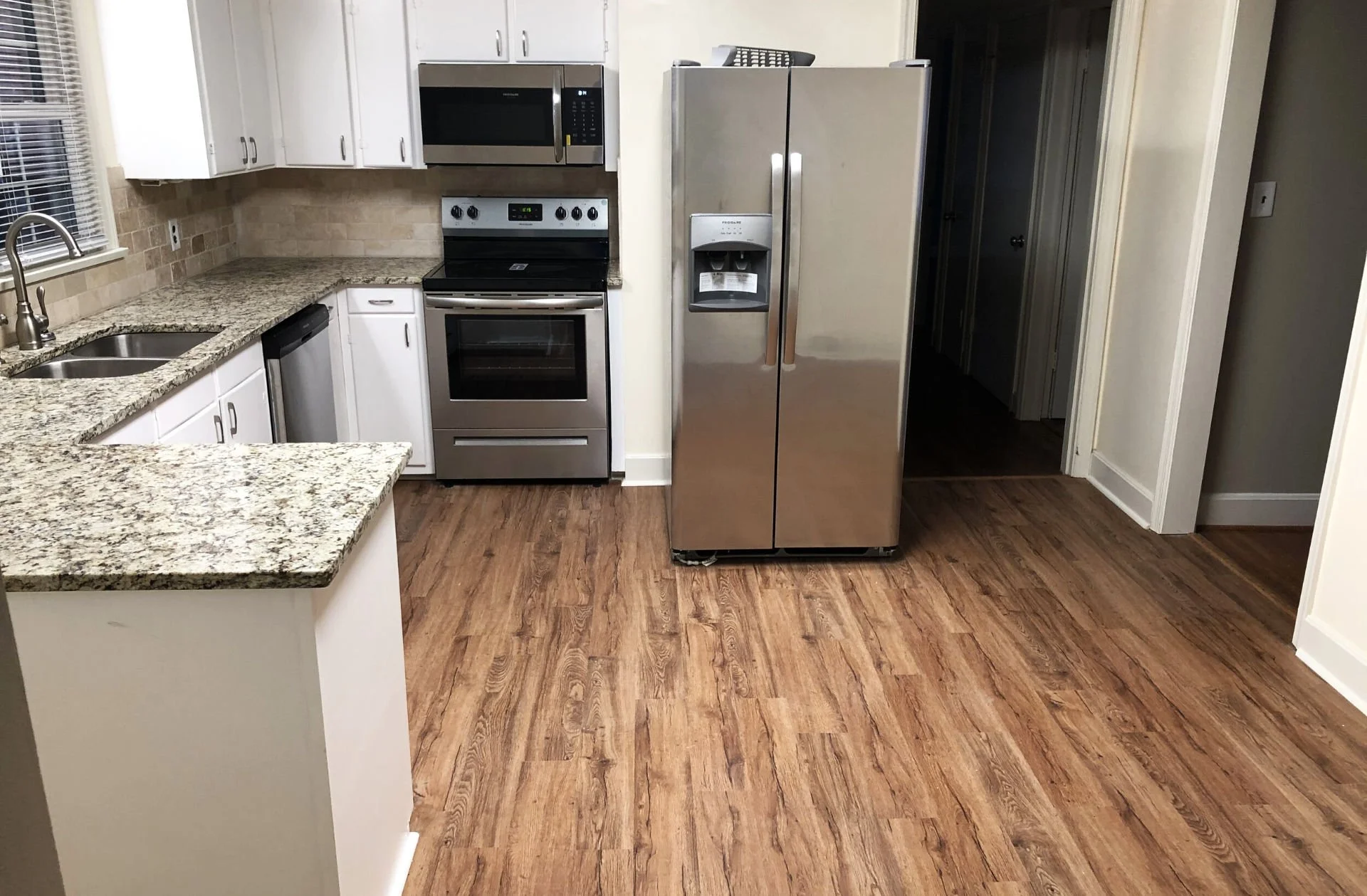
The usual colors, finishes, and buzzwords that frequent design lists don’t always reflect what’s actually happening in people’s homes.
Our interior designer, Hunter Smith, says the biggest shifts in kitchen design right now are about how people live, use their space, and what they’re learning (sometimes the hard way) about what actually holds up over time.
The Shift Away From “Millennial Gray” and Toward Warmer Spaces
One of the most noticeable changes is a move away from the cooler tones that dominated for years.
“The millennial gray we’ve seen over the last few years is starting to fade out,” Hunter noted. The same goes for the gold finishes and stark white trim that have been popular.
In their place, homeowners are leaning into:
Warm earth tones
Natural wood finishes like walnut
Muted greens, especially sage
Natural stone is also seeing a resurgence, though it comes with a caveat. It’s porous, which means it requires more maintenance and awareness than some homeowners initially expect.
Cabinet styles are evolving as well. Traditional shaker cabinets are still popular, but slimmer shaker profiles and variations in frame detail are becoming more common as homeowners look for something familiar with a slightly updated feel.
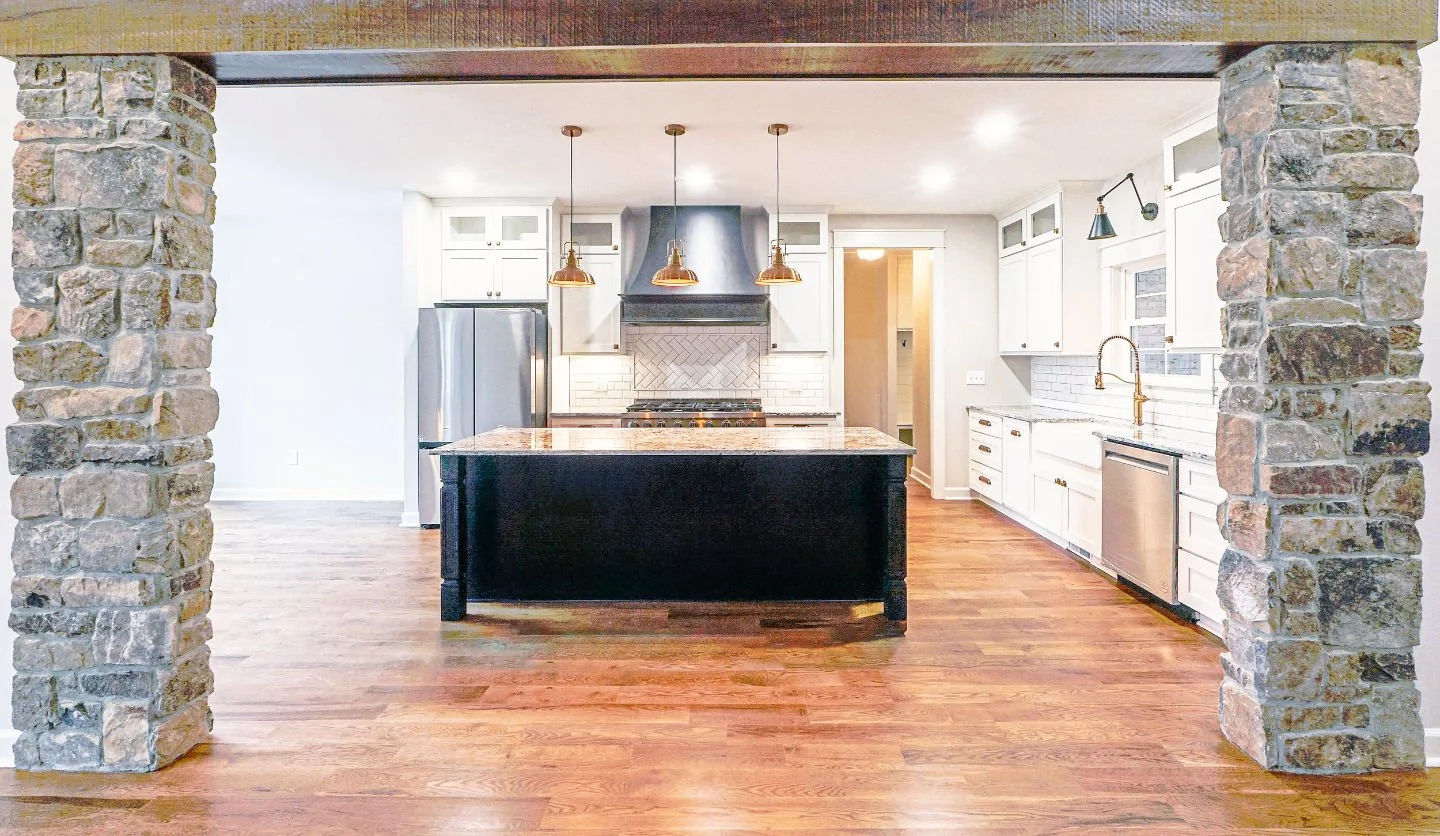
Function Is Winning In The Kitchen
One priority has become much more consistent: how the kitchen actually works.
The actual working space has become central to how people are thinking about their kitchens. For new builds or remodels to modernize things, the goal is to make daily tasks feel as natural and frictionless as possible.
That shift shows up in practical decisions:
Maximizing usable space over adding decorative features
Avoiding design choices that crowd an already tight layout
Prioritizing movement and accessibility between key areas
In other words, a kitchen that looks great but feels cramped or inefficient isn’t creating enough value. (See also: What A Kitchen Remodel Costs)
That’s why many of the strongest design decisions aren’t about adding more; they’re about refining how the space actually works. Here are a couple of practical ways that shows up:
Keeping the kitchen triangle (oven, sink, refrigerator) tight and efficient. When these key areas are too far apart, it creates unnecessary movement and slows down everyday tasks.
Being selective about built-ins that take up valuable space. Features like trash pull-outs can be useful, but in tighter kitchens, a standalone solution may free up cabinet space for more important storage.
Small decisions like these tend to have a bigger impact on daily use than homeowners expect.
The Reality Check on Open Shelving
Open shelving is one of those ideas that looks great in photos. It can work well in the right home, but doesn’t always play out the way people expect.
The biggest challenges:
Dust buildup requires frequent cleaning, because it’s immediately noticeable.
There’s added pressure for ideal organization since everything is visible.
Everyday items can begin to feel like showpieces.
For some homeowners, each of these are part of the appeal. But for others the open design becomes a maintenance commitment they didn’t fully anticipate.
This is one of those design choices where the idea often outpaces the reality.
The Decisions That Matter More Than People Think
Some kitchen choices are surprising with how big of a difference they can make. Here are some examples of how singular choices can affect the feel of the whole kitchen in action.
1. Flooring: Durability Over Appearance
Some flooring choices appeal because they look great. But just like the open cabinet concept we mentioned above, they can create upkeep challenges.
White grout on tile flooring is a clear example of this.
Brand new, its crisp look is stunning. Kitchens are high-traffic, high-spill environments, though. All it takes is one time spilling red sauce on the floor to stain and discolor white grout.
Alternatives like epoxy grout hold up much better, though many homeowners are moving away from tile flooring altogether. LVP (luxury vinyl plank) has become far more common due to its durability and ease of maintenance. LVP also touches on that warm earth tone look people are after, as well.
2. Lighting Choices You Need To See To Believe
Most kitchens rely heavily on central ceiling lights, or maybe pendant lights hanging over islands. They’re efficient ways to mostly illuminate the room in one shot, but they still leave certain areas of countertops and corners poorly illuminated. Plus, they can cast shadows depending on where you’re facing.
Puck lights shine directly downward. When placed right over key areas like a counter area you chop veggies and prep food, visibility is significantly better. You can accomplish similar results with undercabinet lighting, which casts consistent illumination across your entire countertop area. Even with the main ceiling lights on, you’d be surprised what that extra lighting adds.
We file that firmly in the category of, “You don’t realize how much you want it until you have it.”
For a lot of folks these kinds of upgrades become non-negotiable from that point forward.
If you’re starting to think through a kitchen remodel, having the right perspective early can make all the difference.
A lasting design works as great as it looks.
Planning a redesign of your kitchen? Start with our online price calculator to get a free ballpark estimate. From there, you can book a call with an expert to explore putting those ideas into action within your space.