Energy Efficiency Isn’t a Feature. It’s the Foundation for Remodels and New Home Builds.
Whether you’re remodeling or building anew, modernizing your home is a big step worth getting right. Choices in finishes, colors, and designs tend to receive the most attention, but there are other moves that have real impact on your comfort and health.
While “energy efficiency” remains the hot button topic, what is actually more important to us is building a healthier home for families. (These choices usually lead to better energy efficiency anyway.)
Here are the main things we recommend for new builds, remodels, and window considerations.
Healthier Priorities in New Home Builds
A major advantage of building a new home is the opportunity to plan everything from a clean slate. You can develop a vision ahead of time for modern niceties and simply work them into your design.
While not exhaustive, here’s a list of the many options that help create a healthier, more efficient home:
Breaking up the thermal barrier with external insulation
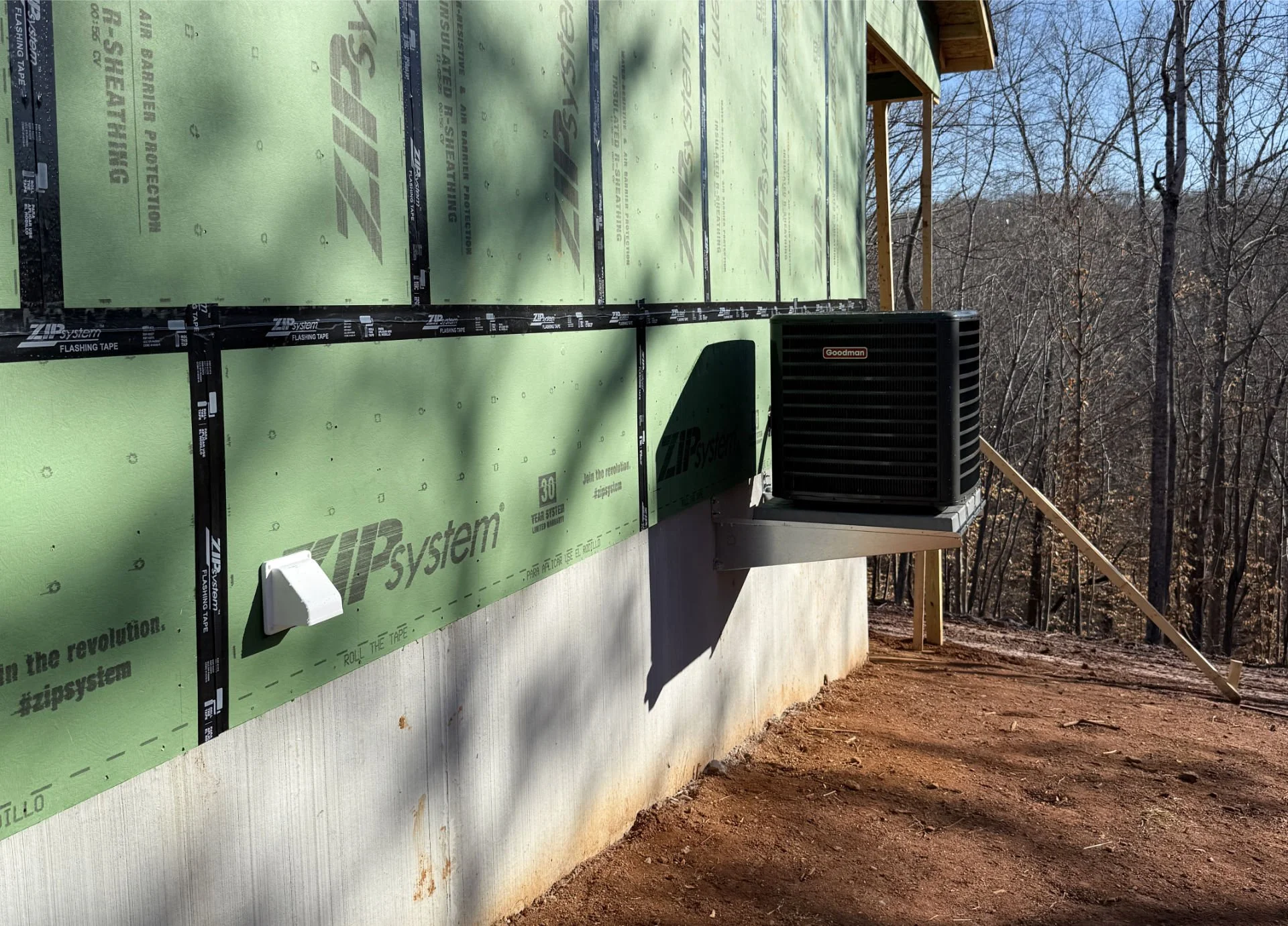
Moving your air barrier from the drywall to your exterior sheathing
Create an air tight house while pumping in purified air from the outside
Seal the crawlspace and attic
Remove gas appliances for better indoor air quality
Upgrade your windows
Adding whole-house dehumidification, especially in humid climates like NC
Using low-VOC paints, adhesives, sealants, flooring, and cabinetry
Break up the thermal barrier with external insulation. Traditional wall insulation inside the walls is a start. But there are still areas where hot or cold air can leak, which puts additional stress on this insulation. We recommend adding external insulation, which functions like wrapping a jacket around your home.
Wraps create a much stronger seal, working in tandem with the inner insulation to resist temperature and moisture changes in all seasons. Your HVAC system is taxed the hardest when it’s 95° outside in the summer or below freezing in the winter.
External insulation significantly reduces the strain on your HVAC system, and that’s a difference you’ll feel with consistent room-to-room temps. (And your system won’t be running constantly to keep up.)
Augment your airtight home with fresh, purified air. Modern, energy-efficient homes are designed to be airtight. But that can pose issues if there isn’t proper ventilation built into the design. Too little airflow and the home will feel stuffy, and air quality will suffer.
We recommend air systems that dehumidify and purify the air. This ensures a consistent experience all year, and removes dust, germs, and allergens from the air.
Don’t forget attics and crawl spaces. Unfinished attics and crawl spaces are notorious for leaking energy. Hot, humid air can collect underneath the house and fight against your air conditioning. The reverse is true during the winter.
Even newly built attics can have similar effects. Sealing the attic can prevent moisture challenges, pest intrusion, and other longer term maintenance headaches.
Energy Efficiency Priorities For Remodeling Existing Homes
If you’ve been living in your home for years, you may already have experienced some of the weak spots. Common complaints homeowners share include:
Uneven temperatures in rooms
Window condensation
Drafty areas
High power bills in the summer
Here are some upgrades you can make without massively changing your home:
Start with your HVAC system. On older homes especially, it’s not unusual to have an HVAC system that isn’t sized correctly for the square footage and layout. That can cause it to struggle in extreme temps, especially if it’s also working against leaks and moisture issues.
A struggling HVAC system can’t properly regulate air quality. If it runs constantly it may create an overly dry environment, contributing to dry skin, dry eyes, and other symptoms. The other thing that can happen with an improperly sized unit is the opposite: it can’t dehumidify enough and you end up with overly humid air most of the time.
We also recommend annual maintenance for the HVAC system, which prolongs its effectiveness and avoids scenarios where it simply isn’t effective enough.
Upgrade to insulated windows. Windows tend to be one of the biggest sources of energy loss. In older homes with wood frame, single-pane windows especially, this can be a major culprit in drafty rooms. You can start with your draftiest areas and replace those windows with well-insulated ones. You might be surprised how much of a difference this can make in stabilizing indoor temperatures).
We’ve provided more information about window efficiency in the next section.
Also look at each of your entry points. Doorways can leak just like windows can. Weatherstripping and thresholds eventually crack. Some may not have been correctly installed originally, and could use a professional touch.
In some cases it makes sense to upgrade your door as well. But even without replacing the doors, refreshing the trim and weatherstripping can be a very meaningful upgrade.
Reassess Insulation and Ventilation. Like we mentioned earlier for new builds, the insulation in your walls, floors, and attics play important roles in your home’s climate. Insulation can deteriorate over time, especially if there has been moisture intrusion. If one area of your home seems harder to heat and cool than others, it’s worth starting there.
The answer may be replacing and upgrading the insulation and windows there. But just as importantly, you could benefit from wrapping that portion of your home in exterior insulation (like a jacket). That’s a major augment to protection against temperature changes, moisture, and even pest intrusion.
Efficiency and Comfort Considerations for Window Upgrades
The classic single pane, double hung windows are the least efficient option for homes. These are common, especially in older homes. Both the single pane glass and the frames are leaky, and homeowners end up with a lower R value (which is the measure of how well a window insulates). However, wooden frames complement certain home designs nicely and can add to the cozy aesthetic.
Modern double-hung windows are more efficient than older designs. Brent Hull makes great double-hung wooden windows that are fairly efficient and look beautiful, for instance. Our custom homes project manager, Holden Beck, loves Hull windows and incorporates them any time they make sense.
Tilt-turn windows are a European design, and open inward from the side like a door. They can also be tilted open from the top, allowing air to come through from the bottom without creating a draft that blows things around. This design offers flexibility, and is also very efficient when closed.
We often use this window type in our new home builds for these reasons.
Casement windows are the American equivalent of tilt-turn windows. They are hinged on one side and swing open outwardly like a door. They don’t feature the top tilting feature, but otherwise offer great ventilation and seal well when closed.
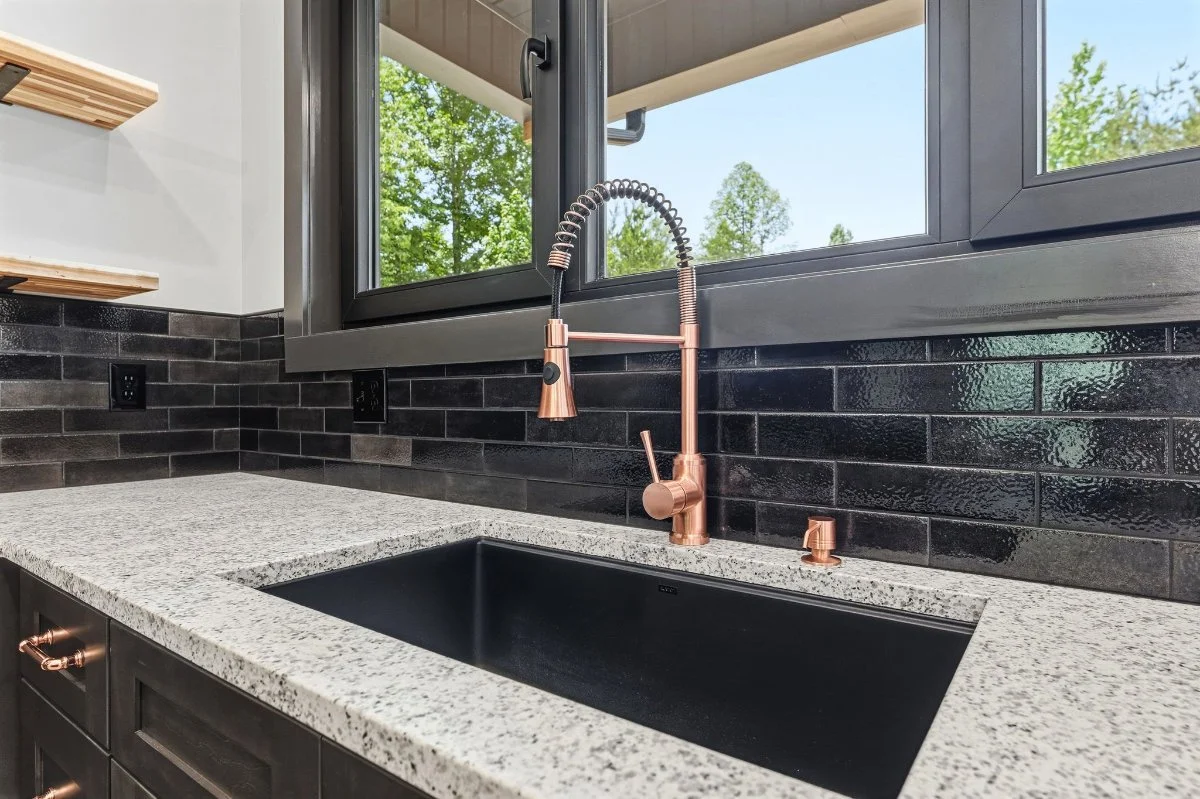
Casement designs are helpful over sinks or other harder-to-reach areas since they operate with a crank or slide mechanism. (And these come in right or left-handed designs.)
However… Our advice is to choose windows based on comfort and style over efficiency. The reason is that even very efficient windows have a 30 year payoff time, but the average life expectancy of a double-hung window is 20 years. Meaning: efficient windows do save you money on energy costs, but not enough money to pay for the windows themselves within their lifespan.
Longevity is why Holden, our Custom Homes Project Manager, says that for new builds and remodels, “you almost always need to sell yourself on the window based on comfort and style.” Comfort and style will be the things you actually feel.
In fact, there have been several class action lawsuits against some of the biggest window manufacturers over efficiency claims. The lawsuits dealt with deceptive claims about just how much savings those windows produced. In some cases, manufacturers claimed the windows would “cut energy bills in half,” which is just not realistic.
At Keith Smith Construction we are passionate about the little details that elevate your home.
Our focus is always on real, tangible value for the families we serve. Hopefully we’ve given you some ideas for upgrades that you don’t always see — but you definitely feel.
If you’re planning some comfort upgrades for your family and would like to speak to an expert, call us at (336) 362-7469.